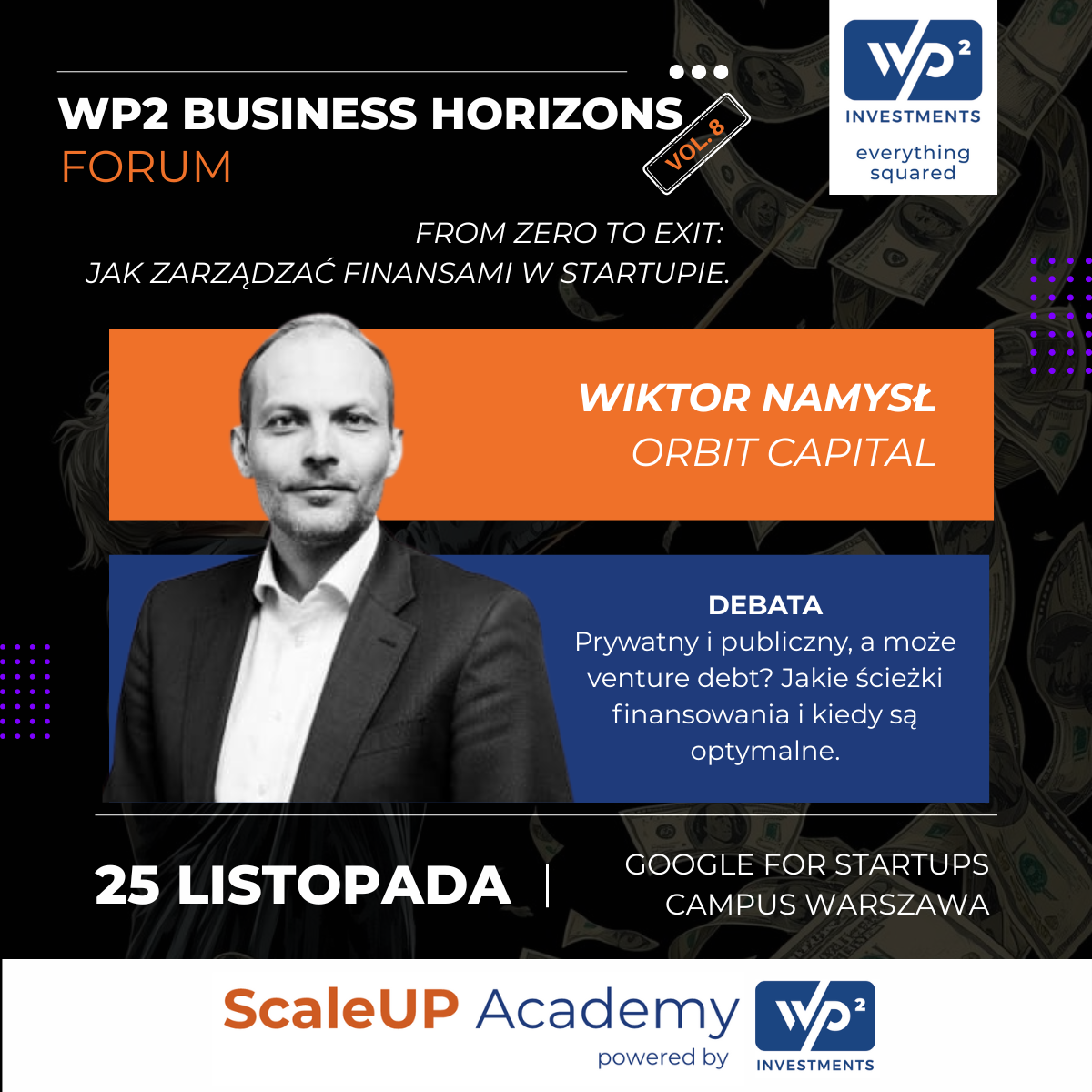
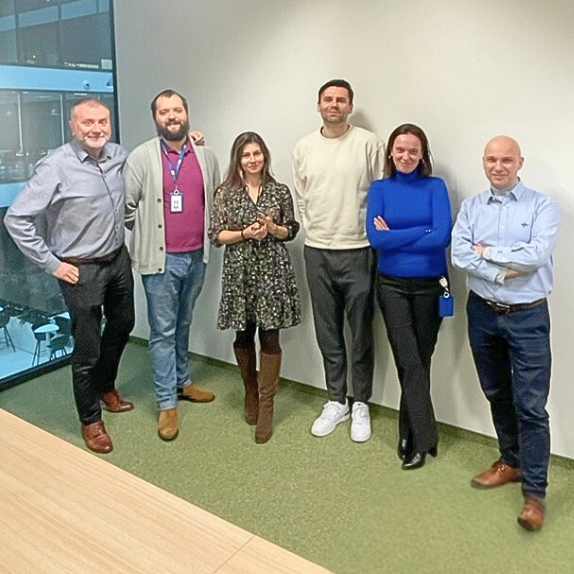
WP2 Business Horizons Forum vol. 8 on November 25

  • Posts: News
  • Main paragraph: A few weeks ago, we made the decision to give our conferences a new name. Starting with the next event, we will be meeting at the WP2 Business Horizons Forum – conferences aimed (among many other things) at bringing together all participants of the startup ecosystem in Poland and discussing issues important for startups.

A few weeks ago, we decided to give our conferences a new name. From the next event, we will meet at the WP2 Business Horizons Forum – conferences whose task (one of many) is to connect all participants of the startup ecosystem in Poland and talk about problems important to startups.  

Today, we are happy to announce the first speaker of our November event. It will be Wiktor Namysł, General Partner at Orbit Capital, an experienced investor in the CEE region, a successful business angel.


Orbit Growth Debt II offers capital in a non-dilutive form to accelerate the growth of technology and technology-driven companies. The company invests between €3 million and €10 million in each transaction, in companies with a minimum annual recurring revenue (ARR) of €3 million, strong growth rates and excellent unit economy. It has completed 16 transactions under the first fund and currently has a capital of EUR 100 million, which it can use to support other ambitious companies under Fund 2.

Wiktor will take part in a debate on various forms of startup financing and their impact on financial management in young companies.

More announcements are coming soon, so we encourage you to follow our LinkedIn profile.

ScaleUP Academy, Conference

Read more …WP2 Business Horizons Forum vol. 8 on November 25

  • Hits: 160

We invite you to WP2 Business Horizons Forum vol.8

  • Posts: News
  • Main paragraph: We invite you to the next, already the eighth, exceptional conference, which we are organizing under a new name – WP2 Business Horizons Forum. The eighth meeting of this cycle will take place on November 25 at the Google for Startups Campus in Warsaw.

We invite you to another, eighth, unique conference, which we are organizing under a new name – WP2 Business Horizons Forum. The eighth meeting of this series will take place on November 25 at the Google for Startups Campus in Warsaw.

The main theme of the event will be: "From zero to exit – or how to manage finances in a startup?". It is an event for all those who want to look at the world of startups through the eyes of practitioners and financial experts, and be inspired by the stories of those who have gone from the first step to a spectacular exit from the investment.

Our stage will feature:

  • Finance professionals presenting key capital management strategies.
  • Business modeling experts with a huge experience in startup environment.
  • Experienced startuppers who will share their own successes and challenges in the field of finance in a startup.

The conference will be a great opportunity to gain financial knowledge, establish new contacts and exchange experiences with people from our ecosystem.

Event details:

  • Date: 25 November, 9.00-17.00
  • Venue: Google for Startups Campus, Warsaw, ul. Plac Konesera 10
  • Organizer: WP2 Investments

You can't miss it! Book a date in your calendar and join the group of people who are building an innovative startup ecosystem in Poland.

The conferences are organized as part of the proprietary ScaleUP portfolio company support program, aimed at supporting the companies in our portfolio in their development.

The program is divided into 3 blocks:

  • ScaleUP Center, where 6 managers from 6 different areas support companies in everyday challenges (Digital Marketing, Communication and PR, Grants, Fundraising, Legal Support, Controlling and Finance).
  • ScaleUP Partner, where we create conditions for synergy between companies and external partners
  • ScaleUP Academy, where we take care of the transfer of knowledge to companies and which includes conferences, newsletters or books delivered to companies once a quarter.

So far, 7 conferences have been held, where we have discussed topics such as grants, fundraising, new technologies in the life of startups, international scaling, HR and wellbeing, or generating synergies.

Our conferences were attended by, a.o. Róża Szafranek - HR Hints, Artur Jabłoński - Digitalk, Marcin Hejka - OTB, Marek Kamiński, Piotr Wiśniewski - DBR77, Paulina Wardęga - Heroify, Mateusz Kowalczyk - Foodsi, Julia Markiewicz, Mateusz Markiewicz - Silent Eight, Rafał Modrzewski - ICEYE, Krzysztof Domaradzki - Forbes, Maciej Zawadziński - Hard2Beat, Krzysztof Kaliciński, Szymon Janiak, Marcin Kuciapski, Paweł Maj, Przemysław Danowski and many others.

ScaleUP Academy, Conference

Read more …We invite you to WP2 Business Horizons Forum vol.8

  • Hits: 477

Communication must "keep up" with the business.

  • Posts: Blog
  • Main paragraph: Communication that convinces at the start-up stage is insufficient for the next stage of the company's development. It must evolve along with its growth - relying on different arguments, data, a new narrative, and also reaching new market audiences.

Communication that convinces at the start-up stage is insufficient at the next stage of the company's development. It must evolve along with its development - based on different arguments, data, a new narrative, but also reach new market audiences.

The transition from the start-up phase to the next stage of development, when we can think of the company in terms of "already scale-up", is not only an acceleration of growth, but also a moment to change the way  we communicate with the market, especially with investors. The implementation of the communication assumptions from the time of the seed round will not necessarily work in series A or B.  The business reality in the company is changing, expectations are changing, and the narrative should change with them. That is, a way of "telling" about why a given business model makes sense, how it will develop further, how much agency the founders have and why it is worth investing in it.  

What is important in the investment narrative at this stage of the company's development? Certainly, data, empowerment in the market context (current and future) and the role of a well-functioning team and trust in it.

Now we need more specifics than ideas "whether the solution will work". Regardless of the channel or communication contexts – whether it will be in a social media post, networking at an event, or in an investor presentation.

It's time to show the answers to the following questions in the communication assumptions:

  • whether and how a given solution or product can be scaled,
  • whether the team is able to successfully move from the experimental stage to operational maturity,
  • whether the company knows its unit economics (cost of customer acquisition, revenue generated by one user at a given time, etc.),
  • does the company have a plan for profitability (or a strategic exit)?
  • does the company have an idea for an equity story related to growth, expansion and automation (MVP and product market fit are not enough)?
  • whether it emphasizes smart risk and is able to show a strategic reward - a well-thought-out strategy for remunerating employees that supports the company's business goals.

In practice, this means that in communication with the investor, the emphasis must be shifted – from vision and innovation to evidence, data, scalability and predictability based on specific data, resulting from the startup's achievements, but also market circumstances and trends.

In every communication, let's put data above declarations. Let's talk about real preparation for the company's growth. It is best when we show them on metrics and numbers, such as:

  • CAC vs. LTV – one of the most important comparisons in the financial analysis of startups – which will help answer the question of whether the customer we acquired brings more money than it cost to acquire it?
  • Churn
  • ARPU,
  • conversion from channels,
  • revenues from segments,
  • and others

The more metrics per user, per market, per channel, the better, because they are more specific and reliable. Data-driven arguments create the most convincing language that investors and other market players important to the startup's environment understand.

What is the plan for scaling?

Considerations about the market potential should be behind us at this stage. Now it's more important to tell how exactly the startup plans to scale. Therefore, the answers to the following questions should be introduced into communication: to which markets and why? What expansion model (direct, through partners, or otherwise? What do we automate and at what stage?).

Time for an operational team, founder-driven is not enough

Investors want to know that the company no longer depends on just one person, or the founding team. At this stage, it is worth communicating: an extensive team, not only the highest level, experience of managers in both creating a company and scaling, with history and evidence of agency, and preparation for building the structure (or its beginnings), taking into account the culture of the organization.

How will we use the capital raised?

Instead of saying "we are looking for EUR 3 million for development", let's talk about specific plans for spending them. For example, "We need EUR 3 million, of which EUR 1.2 million will be spent on expansion in South American countries, 1 million on sales automation using specific tools, and the rest on building a sales team. Expected revenue growth: 3 times over a year and a half." This narrative shows that the founders have a specific plan, not a vision of needs.

Plan B – always worth having

Experienced entrepreneurs know that not everything always goes according to plan. It is important to show that the founder is aware of this not only at the level of imagination, but can realistically assess risks, plan how to mitigate them, but also creates a plan B or even C. In this way, he proves that he will know what he will do if the market does not react as expected.

Tone of voice - substantive, less marketing

At this stage, investors are not looking for admiration – they are looking for competence and maturity. Let's avoid exaggerated promises and emotions, let's not focus on vision and originality. It's time to prove agency - for facts and successes. What will help to show them:

  • narrative based on facts and experiences,
  • demonstrate what works, what has been tested and how it has been tested
  • let's talk about what the product is and how it works, but above all, why it matters to the market,
  • honestly and courageously, let's admit things we don't know yet – it's important to know and skillfully tell how to check them.

To sum up - a company that moves from the startup phase to the scale-up phase should communicate based on data that it can grow responsibly and strategically. The language of the investor and the market is the language of data, plans, risks and scalability. Therefore, in the new narrative, it is worth replacing "revolution" with "predictability", "innovation" with "confirmation of a model that works". 

ScaleUP Center

Read more …Communication must "keep up" with the business.

  • Hits: 533

The conference 'Sell or Die' is behind us! What did we learn about sales?

  • Posts: News
  • Main paragraph: On May 8, a conference titled "Sell or Die: How to Develop Effective Sales in a Startup" took place, organized by our fund as part of the ScaleUP support program. The event gathered nearly 180 participants – founders, representatives of startups, and investors – who together with us explored the secrets of effective sales in the rapidly changing world of technology.

On May 8, the conference "Sell or Die. How to develop effective sales in a startup." was organized by our fund as part of the ScaleUP support program. The event gathered nearly 180 participants – founders, representatives of startups and investors, who together with us explored the secrets of effective sales in the dynamically changing world of technology.  

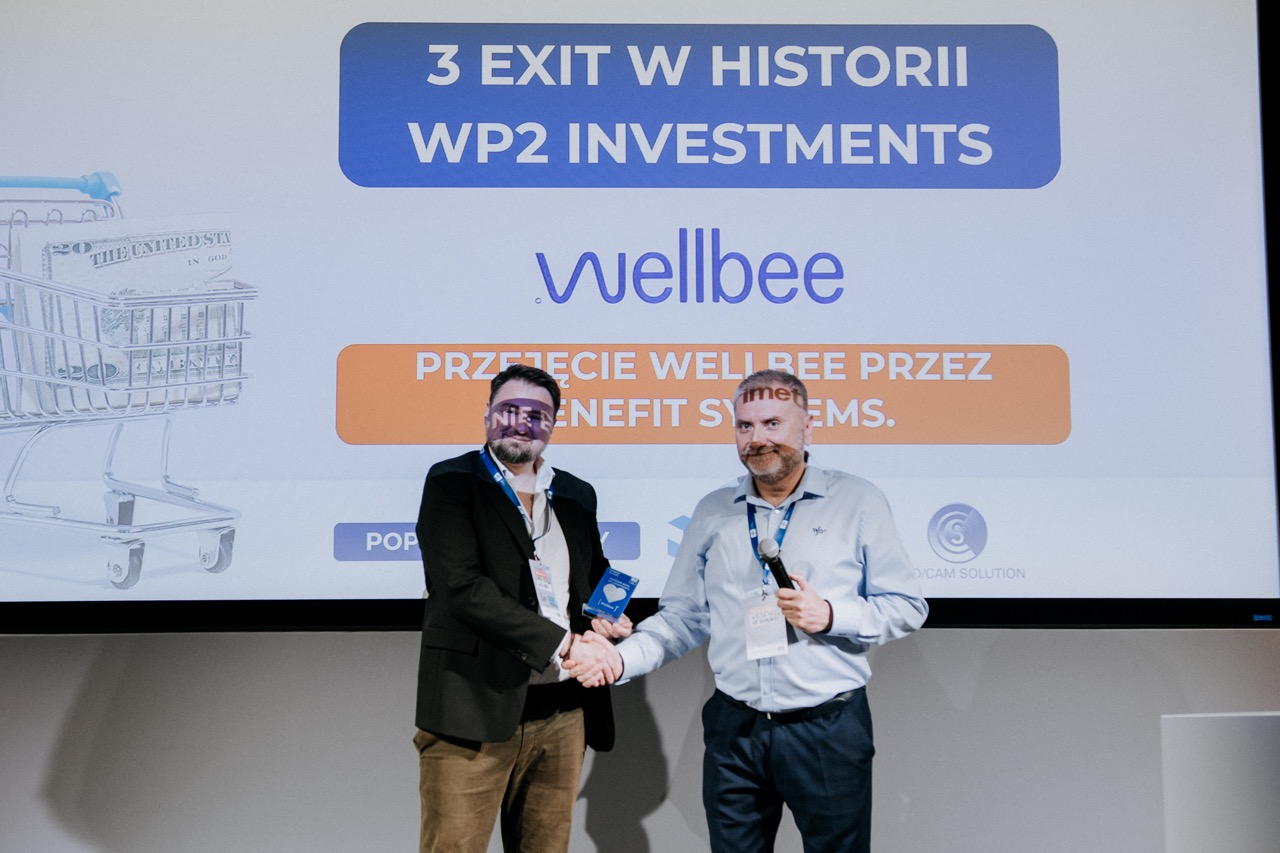
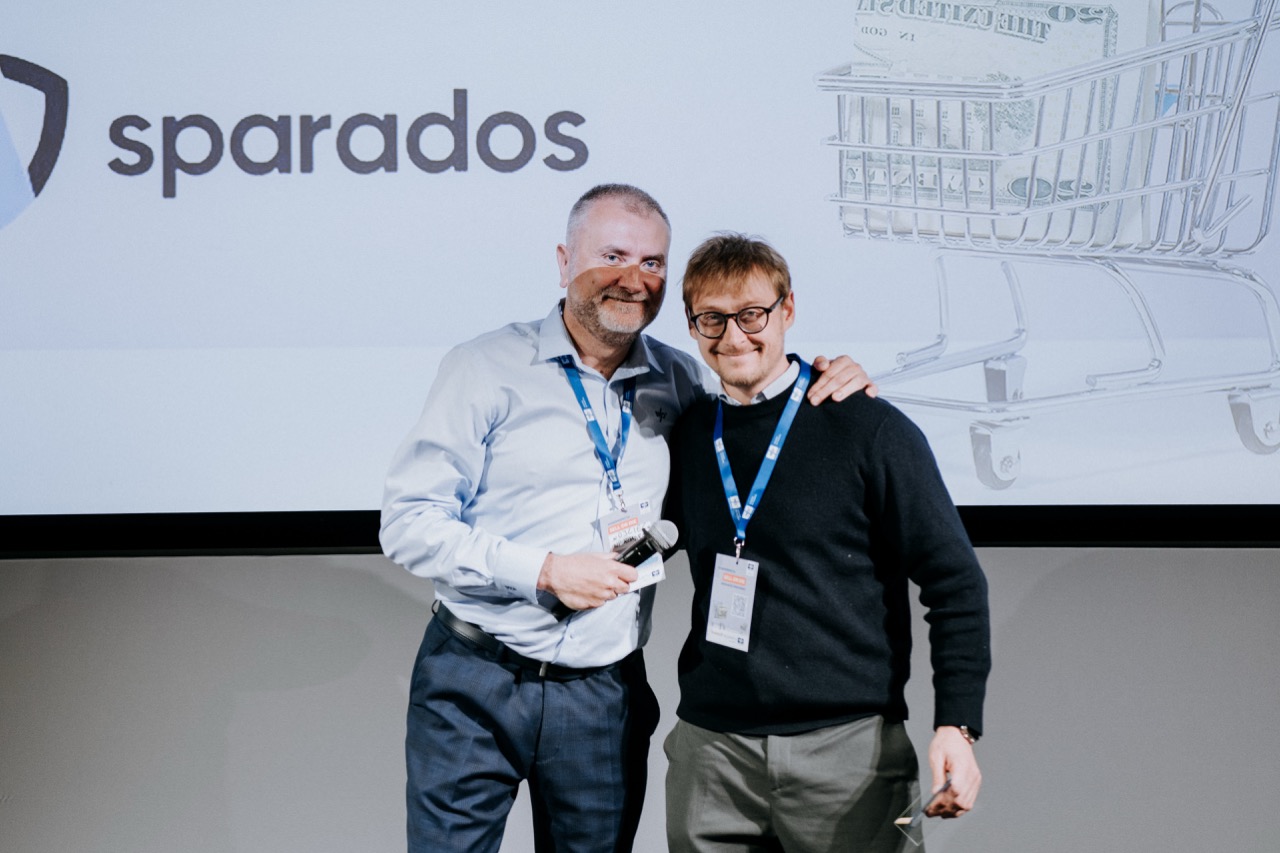
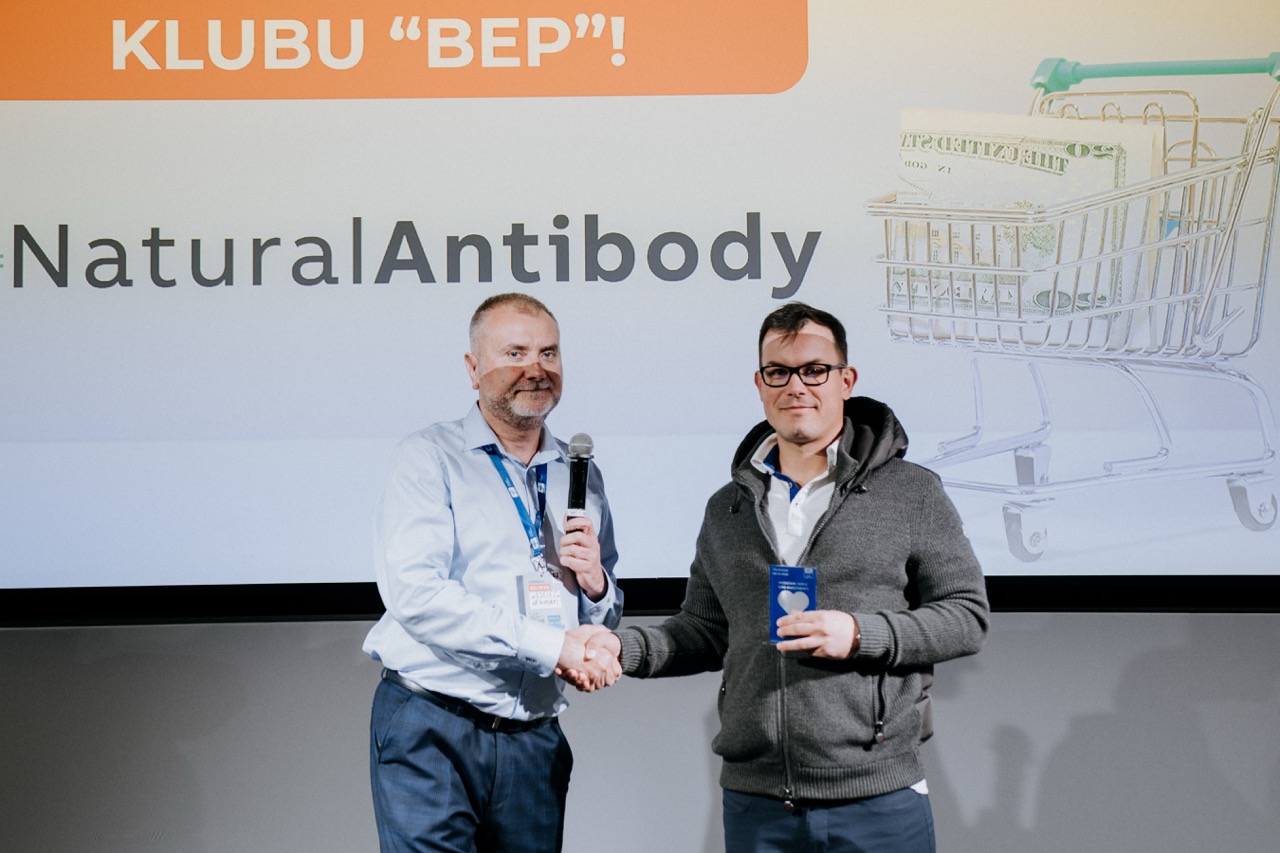
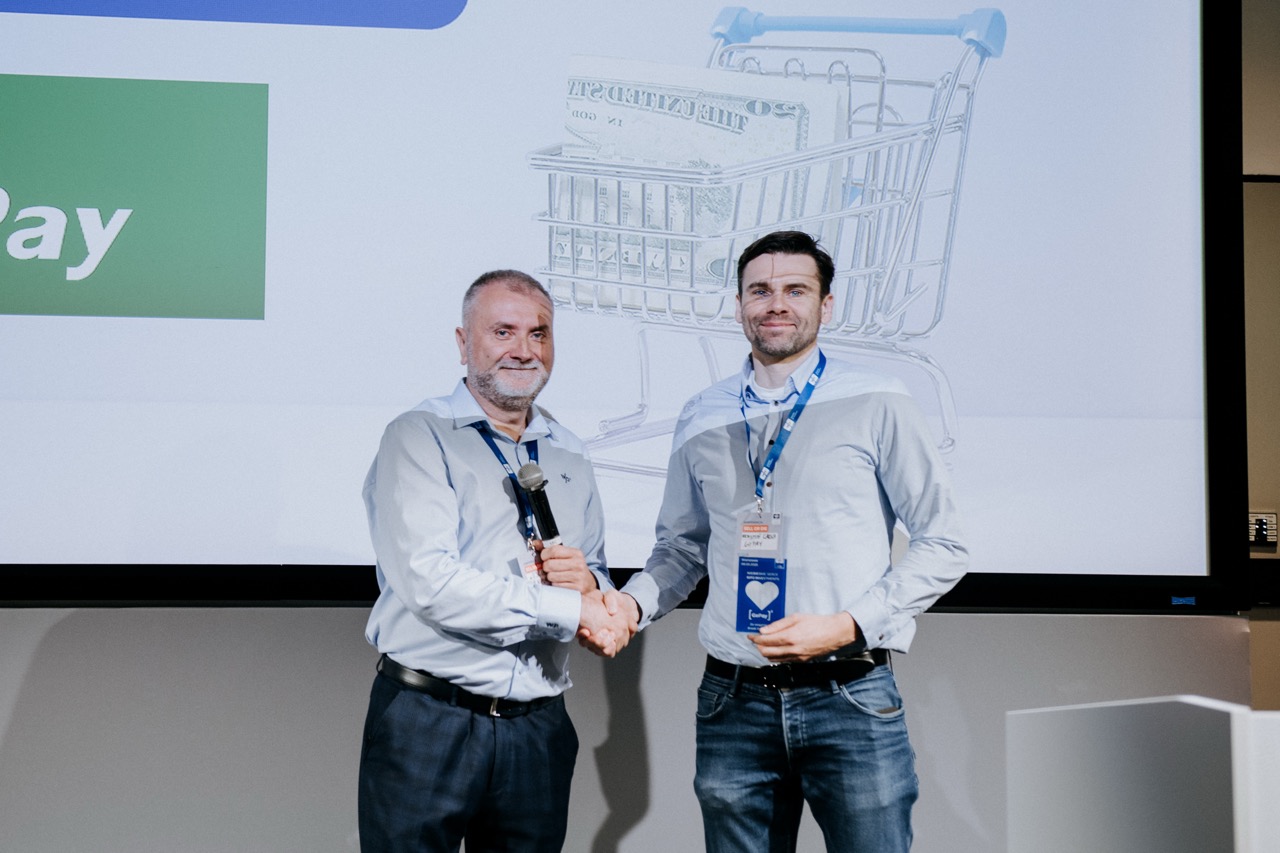
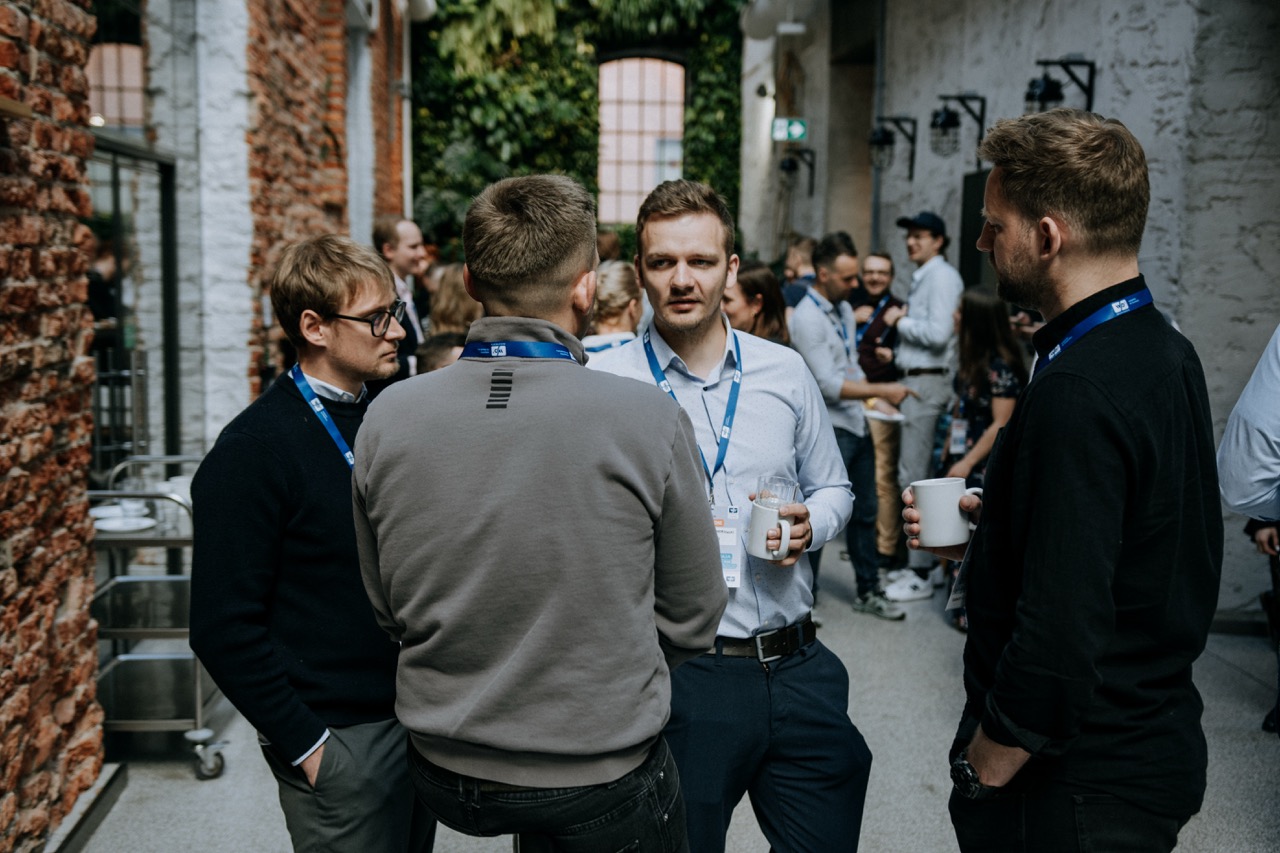
The "Sell or Die" conference began at 8:30 a.m. with registration, during which participants had the opportunity for the first networking and refreshments. At 9:30 a.m., Wojciech Pysiewicz, the founder of our fund, officially welcomed all guests, and then talked about what has happened in our fund since the last conference in November. And there was quite a lot going on, mentioning for example a new approach to investments or the construction of new structures in three domain areas (fintech, green Energy, impact / tech / AI). In this part, there was also room to distinguish companies that have achieved further milestones in their development in recent months. And so, for joining the "BEP Club", the Blue Hearts of WP2 Investments were awarded to the following companies:

  • Sparados
  • NaturalAntibody
  • GoPay

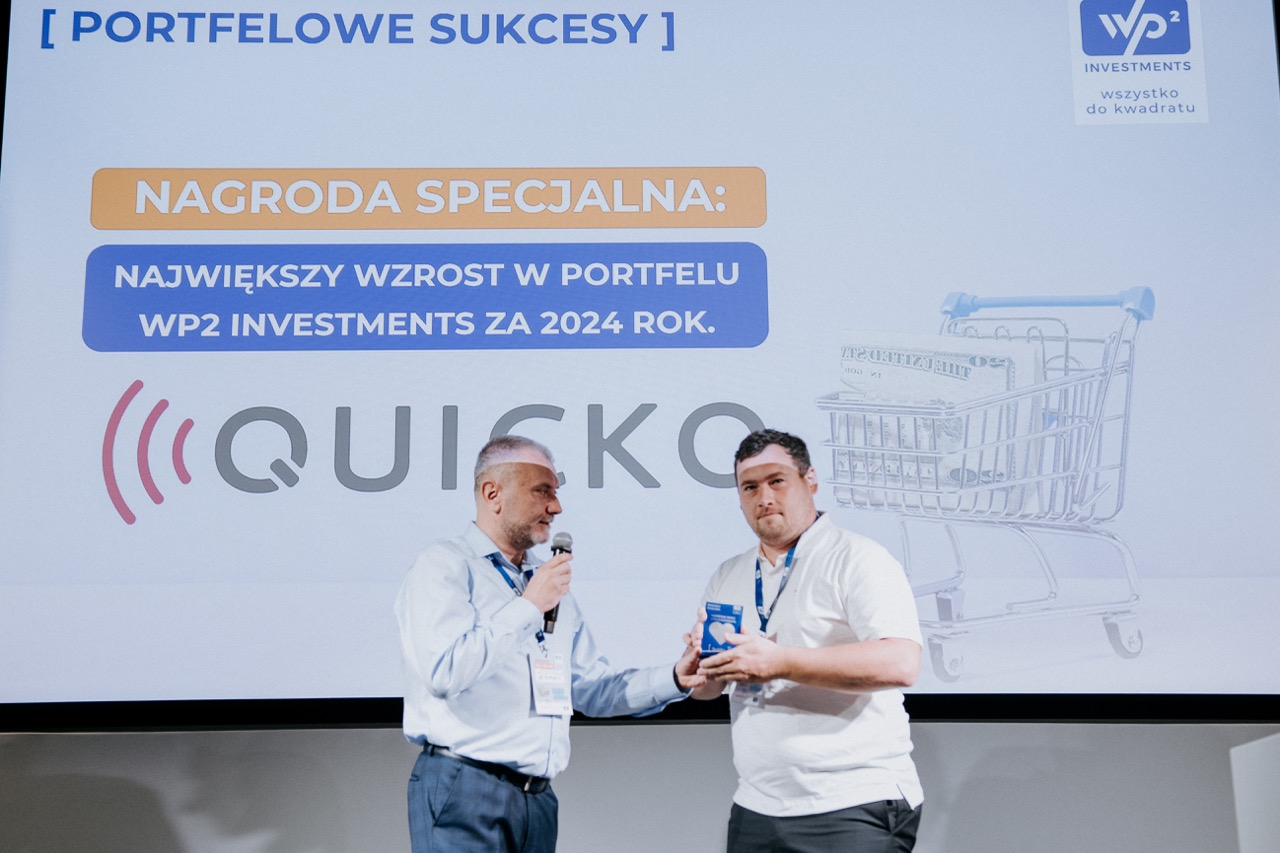
For the largest growth of the portfolio company, the award went to QUICKO – our payment card publishing company.

On this occasion, we could not fail to mention the exit, which happened literally minutes after our last conference. The award for exiting the WP2 Investments portfolio was given to Wellbee, which was acquired by Benefit Systems.

Congratulations to all the winners!

Then, the ScaleUp Center team presented a set of activities available to companies from our portfolio in areas such as finance and controlling, digital marketing, communication and PR, subsidies and fundraising.

The next item on the agenda was an interactive survey, which engaged participants in a dialogue about their own challenges and sales successes.

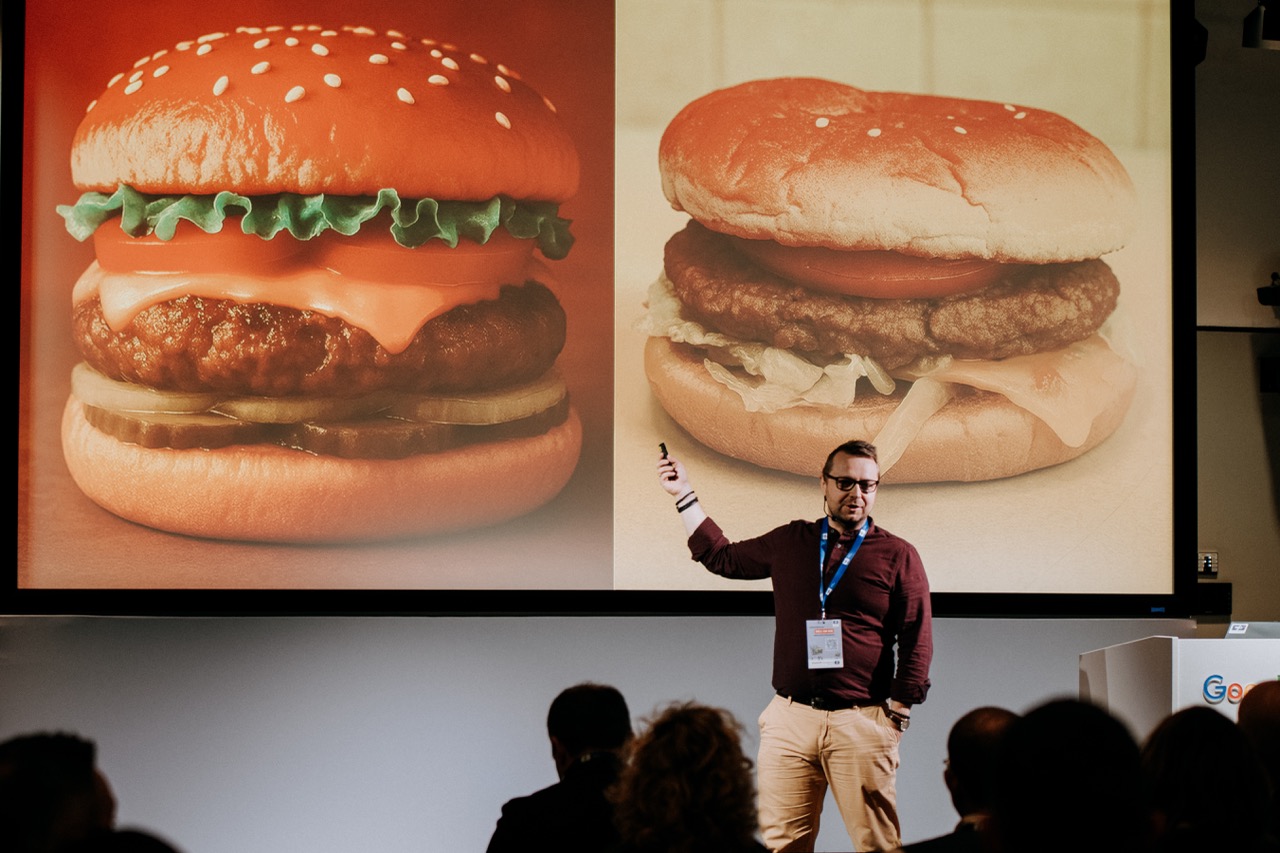
Opening speech entitled "BIGOS TIRAMISU IN BBQ SAUCE - HOW (NOT) TO BUILD A "SALES MENU" IN TECH COMPANIES." was presented by Przemysław Simon Stanisz from The Northstar Consulting Group2. His lecture, rich in practical tips and unusual comparisons, provided a fresh look at the process of creating a sales offer.  

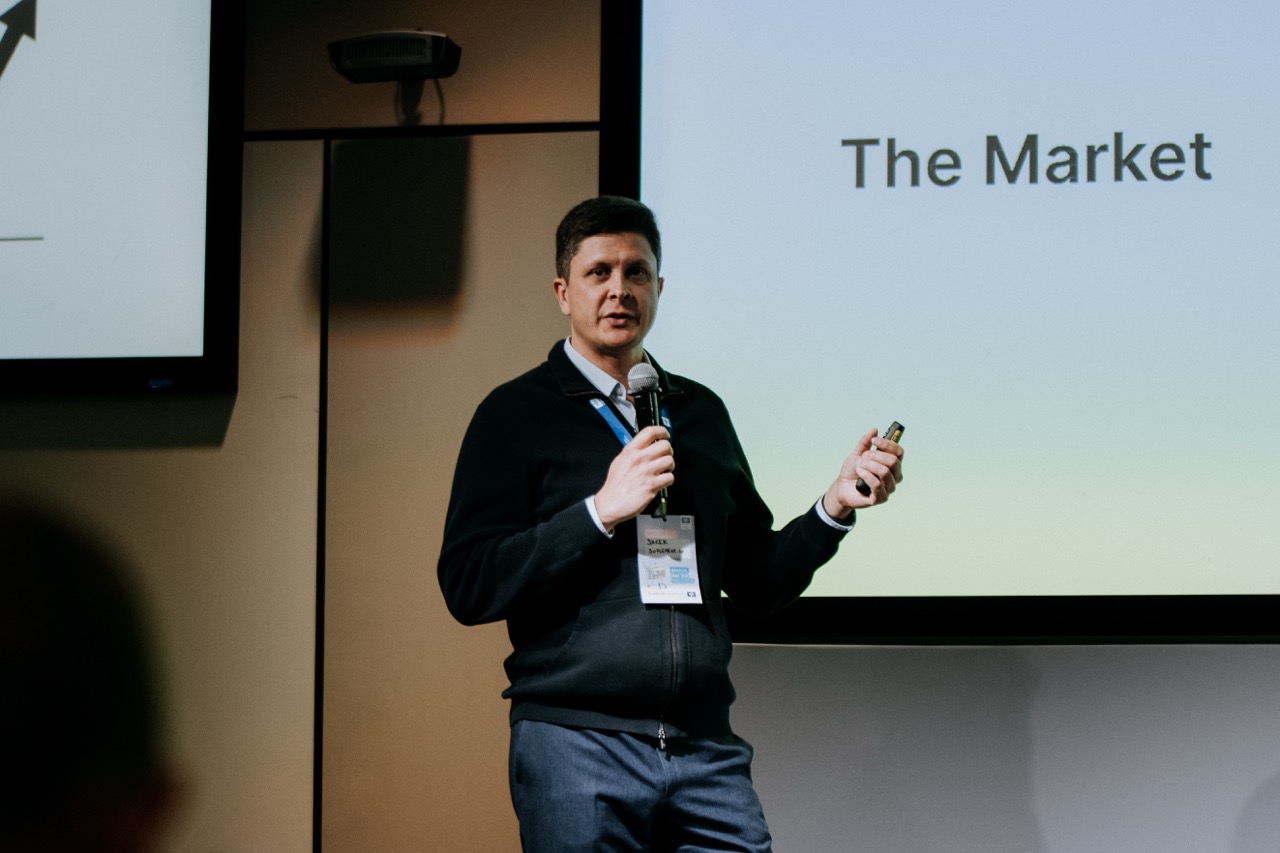
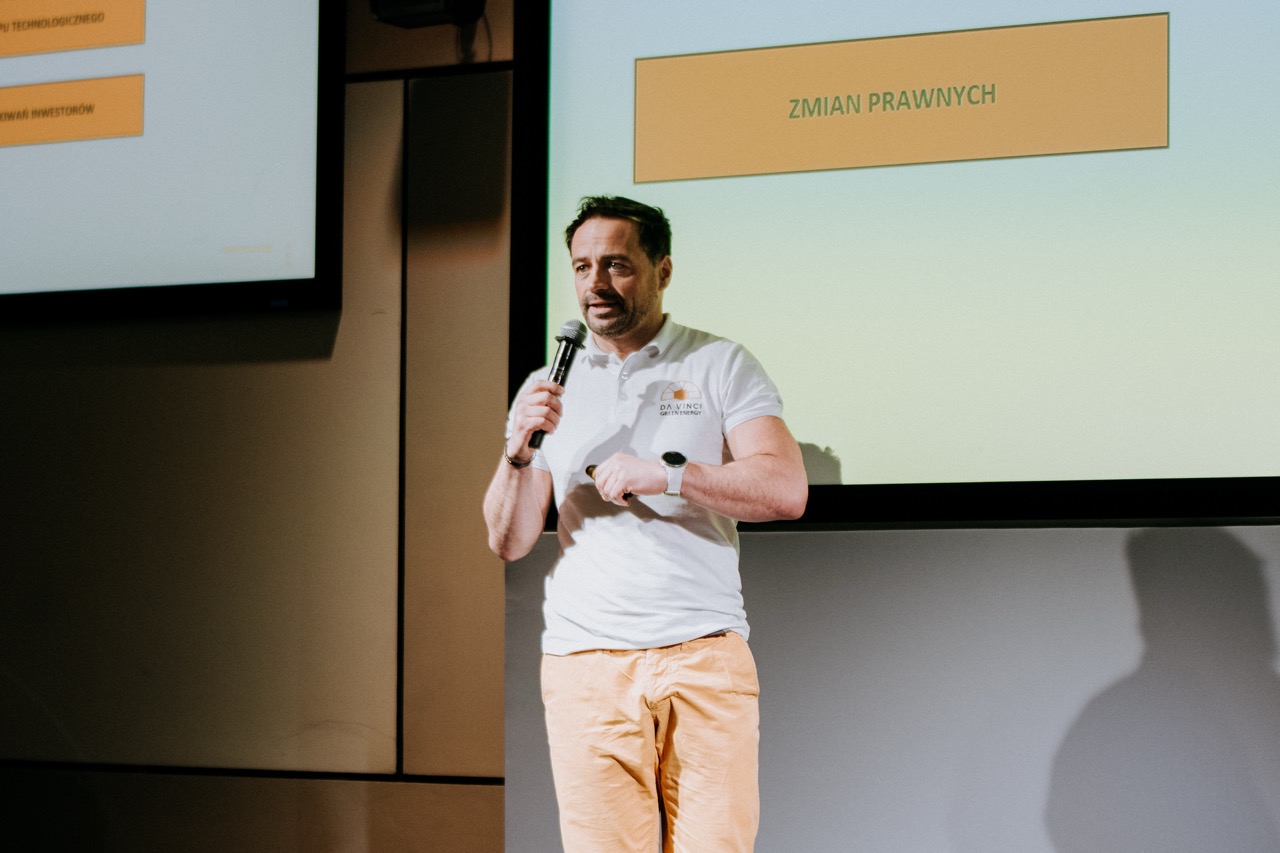
The second block began at 11:15 a.m. with the panel "Sales challenges in portfolio companies", in which Jacek Sidzina from Suplement.io, Bartłomiej Tuleja from Da Vinci Green Energy, Przemysław Kamiński from Self Learning Solutions and Adam Miziołek from Verestro shared the experiences of their startups in scaling sales. They talked about practical steps on the way to effective sales, how to pivot sales when something does not go as we would like, how to use new technologies in sales and what is most important in conquering new, often distant not only geographically but also culturally, markets. At noon, Bartosz Majewski from Casbeg presented "A few practical observations about sales in startups", offering a valuable look at the specifics of sales at an early stage of company development, supported by his own experience. We learned, among other things, that you don't always have to start with large markets, and that too long a process of rejecting leads to artificial clogging of the pipeline and problems with efficiency.  

The first debate of the day was entitled "Building sales in the context of raising capital from investors".  The discussion with the participation of Leszek Wolany (Hipets), Krzysztof Drzyzga (Verestro) and Radosław Czyrko (Tar Heel Capital Pathfinder), moderated by Mateusz Grzeszczuk, focused on how sales results affect the attractiveness of a startup for potential investors.  

The third block was opened by Damian Winkowski from Leocode, who presented "Technological tools supporting sales". He discussed solutions that can automate and streamline sales processes, which is crucial for scaling in tech companies. He introduced us to Jarvis, who may become a full-fledged CEO in the future, and on the example of the new Corny bar ad, he proved that for the time being, AI is not yet able to come up with some ideas😉.

Next, Piotr Pawłowski from NewSales delved into "The Psychology of Sales – How to Sell in the Language of Pain", showing how a deep understanding of the customer's needs and the problems they face can be a powerful sales tool.

Mariusz Bagan from our WP2 Investments fund asked a fundamental question : "Do numbers sell themselves?", analyzing the importance of data and metrics in the sales process and showing what a good story, supported by numbers, can sound like. The conference was closed by the debate "International sales successes - how to achieve them?". Moderated by Krzysztof Domaradzki from Forbes, the discussion with Maja Schaefer (Zowie), Marta Łącka-Wikło (Quantia) and Martin Markiewicz (Silent Eight) provided inspiring examples and practical tips on expanding into foreign markets served by experienced founders.  

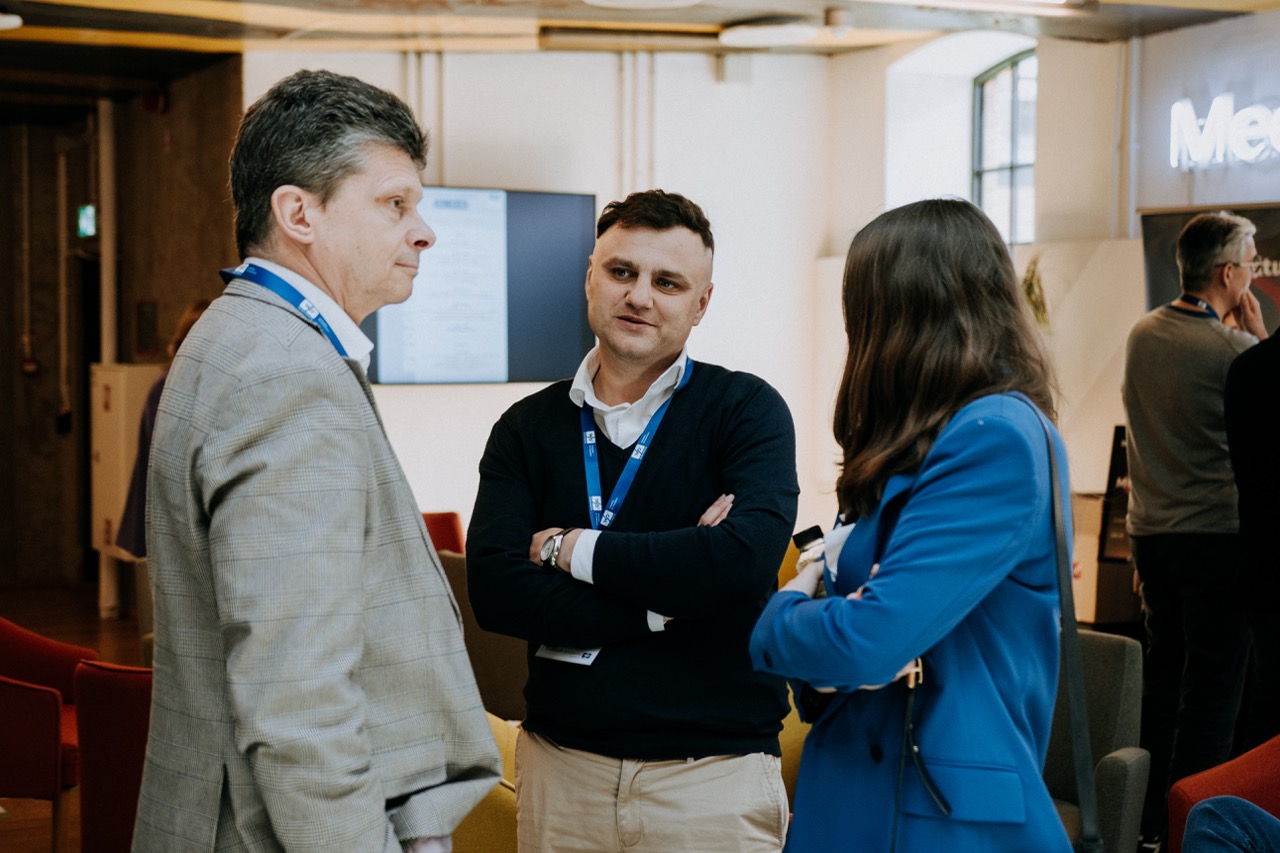
We are glad that our conference was once again a platform for the exchange of knowledge and experience, emphasizing the key role of sales in the success of any technology startup. We believe that the meeting allowed the participants not only to gain new knowledge from leading experts, but also to establish valuable business contacts. We would like to thank all speakers, moderators and participants for being part of our event, because it is you who create its atmosphere! 

Text prepared with the support of AI tools.

ScaleUP Academy, Conference

Read more …The conference 'Sell or Die' is behind us! What did we learn about sales?

  • Hits: 506

"Sell or Die" – WP2 Investments conference on May 8th!

  • Posts: News
  • Main paragraph: WP2 Investments conferences are part of our ScaleUP program – a unique support formula for portfolio companies. Through various activities, we aim to support founders and their teams not only with capital but also with knowledge and experience – both our own and those of external experts.

During the event entitled "Sell or Die. How to develop effective sales in a startup" we will be looking for answers to the most bothering questions related to this area. Together with business practitioners, we will address problems that can be experienced by both beginners and "advanced" founders.

a.o. will share their knowledge with us.

Przemysław Simon Stanisz / NORTHERN CONSULTING / - sales practitioner with 20+ years of B2B experience, for 13 years he has been running NorthStar Consulting, where he advises companies on how to increase the efficiency of sales and communication processes at various stages of development (and different markets). He has worked with local brands such as Dotpay, Landingi, Webcon, STXNext, Infoshare, etc. and with international giants such as Bolt, Lionbridge, Deutsche Telekom, Cisco, General Electric, etc., supporting their processes and sales strategies. In addition to his consulting activities, Simon supports early-stage startups as an angel investor and runs the Serdeczna.org foundation, where he connects kids and young people from orphanages and other excluded groups (2000+ children per year) with corporate employees (UBS, Cisco, State Street, etc.) to build education and mentoring programs in the field of IT and new technologies.

Bartosz Majewski / CASBEG / - co-founder of Casbeg and sales expert. With his own hands and with the teams he managed, he won thousands of B2B customers in 41 markets. Author of several hundred articles, speaker at over 200 conferences, lecturer of postgraduate and MBA studies m.in Warsaw School of Economics, Wrocław University of Economics and Kozminski University. He hosts the podcast "Interesy", in which he discusses the best business books, as well as talks to top Polish entrepreneurs and investors. A novice investor in technology companies. 

Piotr Pawłowski / NEWSALES / - For over 25 years he managed sales in leading companies in the IT and Telco sector (m.in. AB SA., COMARCH SA., Energis, GTS Poland, 3S SA.). As the CEO of the Silesian 3S Group (telco & data center), he was responsible, a.o. for the acquisition and integration of IT/telco companies and the process of sellingthe organization to the operator Play. As a Managing Partner at Level2 VC, he invested in young technology companies, which he further supports in commercialization aspects. He is an expert in sales, incentive systems and team building. He graduated from the Faculty of Electronics at the Wrocław University of Science and Technology, "Business Psychology for Managers" at the Kozminski University of Economics and Technology in Warsaw and studies in the field of "Trainer and Coach" at the Tischner University of Economics in Krakow. 

And moreover, the debate program includes representatives of startups and venture capital funds, experts in the field of new technologies and companies from the WP2 Square portfolio.

Theory, practice, experience – and all this is surrounded by what is equally important in conferences – the possibility of networking with other conference participants.

All this on May 8 at the Google for Startups Campus in Warsaw.

ScaleUP Academy, Conference

Read more …"Sell or Die" – WP2 Investments conference on May 8th!

  • Hits: 452

WP Kwadrat Conference - time to start!

  • Posts: News
  • Main paragraph: WP Kwadrat conferences have become a permanent fixture in the event calendar not only of our portfolio companies, but also of our business partners and friends, with whom we will meet for the 7th time at the Google for Startups Campus in Warsaw.

WP Kwadrat conferences have become a permanent fixture in the event calendar not only of our portfolio companies, but also of our business partners and friends, with whom we will meet for the 7th time at the Google for Startups Campus in Warsaw.

This time we will combine the startup and Venture Capital environment in a discussion on the very important topic of sales in startups. We will try to fit into one day the most important topics on how to build a sales process, how to effectively acquire customers, how to build effective sales teams and what tools to use in the era of ubiquitous AI. 

And we want to support all this with examples from the market and the experience of startup founders, because who if not them know how to build sales.

And all this on May 8 at Google for Startups Campus. Invitations will soon reach your e-mail inboxes. 

And why it is worth taking part in our conferences - you can read about it here.

ScaleUP Academy, Conference

Read more …WP Kwadrat Conference - time to start!

  • Hits: 576

Tour de ScaleUP - we are starting with a new initiative!

  • Posts: News
  • Main paragraph: At WP KWADRAT, we focus on even closer cooperation with our portfolio companies. This year, we have launched a new format of workshops, thanks to which we want to better understand the needs of our companies and support them in developing solutions to accelerate their development. The first meetings are already behind us – and this is just the beginning!

At WP2 Investments, we believe that "smart money" means more than just capital. It is active support, knowledge sharing and working together to achieve ambitious goals. The workshops we launched this year are intended to be a space for open conversation, planning and identifying key areas where our support can bring the greatest results.

Each workshop is a several-hour meeting, during which we focus on the key aspects of the company's operations. We analyze the current situation, discuss plans for the coming months and long-term goals. Thanks to this formula, we can better understand the challenges faced by the team and indicate specific areas where our support will be most valuable.

The scope of the workshop includes, m.in:

  • assessment of development strategies, including international scaling,
  • discussion of operational priorities and areas for optimization,
  • review of challenges related to reporting results and KPIs, customer acquisition or capital,
  • Identify potential resources and tools that can accelerate your goals.

What is our goal? First of all, we want to better understand the needs of each company in order to provide tailor-made support. It often happens that the daily operational work absorbs the attention of teams – our workshops are a moment for reflection, planning and looking at the business from a different perspective. We hope that this will not only allow us to better tailor our activities, but also to develop specific solutions that will really accelerate the implementation of key plans.

Meetings with the first companies are behind us. We are happy to see teams openly sharing their ideas, successes and challenges. Thanks to this, we can better adjust our activities and support the development of their businesses even more effectively. We can already see that such meetings allow you to identify needs faster, develop specific solutions and make decisions that really accelerate the achievement of goals.

Will this format work? We hope so! The first reactions are positive, so we hope that the workshops will become a permanent part of our cooperation calendar. We plan to organize them regularly – every year we will meet with each company to build a strategy and support you on your way to further successes.

We can't wait to meet again!

Text prepared with the support of AI tools.

ScaleUP Center

Read more …Tour de ScaleUP - we are starting with a new initiative!

  • Hits: 651

10 commandments of a good deck

  • Posts: Blog
  • Main paragraph: In many sources you can find information on what a good pitch deck should look like and what to include. But how do you create one? You will find out in the article below.

There are many articles or publications that clearly tell you what and how many slides a good pitch deck should consist of. In principle, it is a simple presentation that uses all the knowledge that founders have about their startup. And yet, many pitch decks contain errors that often determine the company's existence or non-existence and are an obstacle to obtaining financing.

Let's start with what a pitch deck really is. The dictionary definition is quite long and is as follows:

The most important in this definition are a few key words - a short presentation, on a dozen or so slides, presenting the startup in such a way as to convince investors and obtain financing, often deciding about the company's existence or non-existence.

Where to start creating a pitch deck. It is worth playing the role of a small child while preparing it. Probably many of you have or have had a small child around you who is exploring the world. At a certain stage, there is a tendency to ask constant questions - why, and what for? Regardless of how the answer is given, there is almost always another "why?".

When preparing a pitch deck, it is worth asking yourself such simple questions at the very beginning - why, how, when, why now, with whom, for how much, They allow you to build a story - the story of your idea, your startup, which you will then be able to "sell" to potential investors. From these simple questions, you will be able to develop information about what problem on the market your solution - product/service - takes care of, why you are solving it, why now is a good time to enter the market with such a solution, why your team has a chance to solve this problem, who you will compete with on the market, how big the market is, how much and how you will earn on your idea and how much funds you need to implement it.

With the narrative built in this way, you can start building the deck. By browsing through the available sources, it is very easy to find what such a presentation should contain. Lech Kaniuk wrote about it in his book "Angel in Hell" or Szymon Janiak in his book "Start-up and venture capital. What should you do to effectively obtain financing for your company?". Synthesizing information from these and other publications, it can be assumed that a good deck contains the following slides:

  1. problem - what market problem have you diagnosed as important for your end customers?
  2. solution - how do you plan to solve this problem
  3. product - what the tool (product) you are building to solve the problem will look like
  4. team - who will build the startup and be responsible for its key elements
  5. market - the size of the market in which you will operate
  6. business model - how do you plan to make money on the solution
  7. competition - who will you compete with on the market
  8. finance - forecasts of costs and revenues for the coming years
  9. "the ask" - how much capital you are looking for and what part of the shares you are able to give away for it.

With a story built, you are able to easily prepare most of these points. Of course, especially in the case of the so-called "first founders", it can be difficult to prepare financial forecasts or a business model, and even questions asked yourself will not be able to help. If you have a CTO or CFO on board, you have a solution. But if not, it is worth using widely available knowledge, either from the publications mentioned above or in the form of pitch decks of other startups, often the larger and more experienced in raising capital, and follow their ways of showing the market or business model.

When arranging a story into a deck structure, it is also worth avoiding certain mechanisms and errors that can interfere with its reception. Below are the subjective 10 commandments of preparing a good pitchdeck. Of course, there could be many more. If we were to convene a "council" of VC funds or investors, the list could have 100 or 200 of them, but each of them would point to a few of the most important ones. This is also the case with the following ten.

Importantly - these tips may seem simple or even trivial, but after analyzing several thousand decks that have been received by our fund over the last 4 years, even these seemingly "trivial" rules have often not been applied.

Commandment 1:

Do your homework and check who you are talking to - whether you will be talking to someone who is supposed to be an investor, or a client, or a person experienced in finance, or a person experienced in technology. All this matters and affects the next steps in building a pitch deck.

Commandment 2:

Choose the material for the interlocutor - after following the first commandment, in the next step you should choose the material for the interlocutor. If our startup operates in the deep tech sphere, and on the other side we have a person experienced in sales or HR (because it happens anyway, VC funds or investors are not obliged to know everything), then too industry-specific language and going into technological details will make the other party misunderstand your idea.

Commandment 3:

Highlight your strengths - but wisely. If you want to say that your solution is "the best in the world" - do it, but support it with appropriate evidence (market research, analysis, etc.). The desire to be the best in the world supported by evidence that this is the case or can be so is not an inflated ego. It is getting to know and defending one's value.

Commandment 4:

Don't hide your flaws – be honest and clearly communicate if you don't have something at a given stage yet – whether it's an area not yet covered by the team's competences, or some functionalities in the product that will be added in a moment. Not to mention more complicated and invisible at first glance matters (legal, property rights, etc.). Most funds and investors will do their research anyway and ask the market about your project, in addition, before signing the due diligence agreement, they will most likely show "corpses in the closet".

Commandment 5:

Be flexible - do dry runs, test the choice of material and practice it in a closed group. Be prepared for the proverbial everything, so that you are not surprised by any question or situation.

Commandment 6:

Avoid the curse of knowledge - as the one who knows the most about his idea, avoid overloading your deck with knowledge. On the other side, there can often be someone who does not have to be an expert in a given field. Too much content, especially specialized content, can overwhelm him and disrupt the message that was supposed to reach him. Language adapted to the recipient is the key. 

Commandment 7:

Also, beware of too much text and content on your slides. They should only include the main messages, the most important ones that should resonate and that best reflect the topic of a given slide. 

Commandment 8:

Support yourself with data where possible - whether it is data collected by yourself to authenticate the market need for your solution, or data from various types of industry reports, etc. In the age of the Internet and many research institutions, access to data is much simpler. 

Commandment 9:

Stand out - VC funds and investors receive hundreds of deck emails from startups looking for capital. Each of them potentially contains a presentation or a link to the presentation. We are a society that absorbs more and more content in short video forms, reels, etc. Such a form of presentation? Maybe this is the future.

Commandment 10:

Don't make mistakes - none, neither logical nor spelling. Make sure that both in terms of data and spelling, the deck is flawless. The story must be consistent and reach the recipient. If you come across a fan of data and there is an inaccuracy in the deck - the story will be marked by this error until the end. If you come across a spelling fanatic, and there is a spelling mistake on one slide - he will look for more mistakes until the end of the deck and not focus on the message. Take care of it, because the first impression is made only once.

With a ready deck, you will fight to take away something that is very valuable to investors. And it is not just money. It's all about time.

According to DOCSEND data, the amount of time spent on decks is very small. This is due to the amount of money that goes to the mailbox, the limited human resources of VC funds. That's why it's so important to prepare a deck that will attract attention.


You can't create one pitch deck that will satisfy everyone. Therefore, you cannot focus only on its content (which, as I mentioned, many other publications have treated). The approach to its preparation is also important. Therefore, let the above list be an inspiration for the creation process, thanks to which you will be able to create decks even for the most demanding recipients.

Szymon Górak - Investment Director at WP Kwadrat. He supports companies in the fundraising process, including the preparation and adaptation of decks for investor talks.

ScaleUP Center

Read more …10 commandments of a good deck

  • Hits: 752

If you have an interesting business idea
send us a short overview of it.

Answer a few questions, attach a pitch deck and let us assess the potential of your idea.